
The Minorities for Peace initiative has concluded a groundbreaking peacebuilding project that brought together displaced minority and indigenous community leaders from Eastern Europe, with a focus on Ukraine and the Russian Federation, in the wake of Russia’s invasion against Ukraine.
On the occasion of the United Nations’ International Day of Peace (21 September), the initiative announced a comprehensive theoretical framework for peacebuilding in conflict/post-conflict settings, available in multiple languages, including endangered ones such as Buryat and Roma-Laesh. The document is published on the project’s website: www.minoritiesforpeace.org .
Refugees are not a uniform group. The refugees from Ukraine include members of ethno-cultural minorities and faith groups (e.g. Roma, Jews, Muslims), indigenous people (Crimean Tatars) as well as migrants from Africa and Asia. Moreover, those who have left Russia in protest against the war include members of ethnic and religious minorities as well as indigenous peoples. The Minorities for Peace initiative aims to build a culture of peace through empowering refugees who represent minorities and indigenous communities as agents of peace and dialogue in the region marred by war. Supported by the ‘NEVER AGAIN’ Association, Exult! Solutions, Rotary International through its partnership with the Institute for Economics and Peace, and other partners, the project has promoted trust and cooperation among communities divided by conflict.

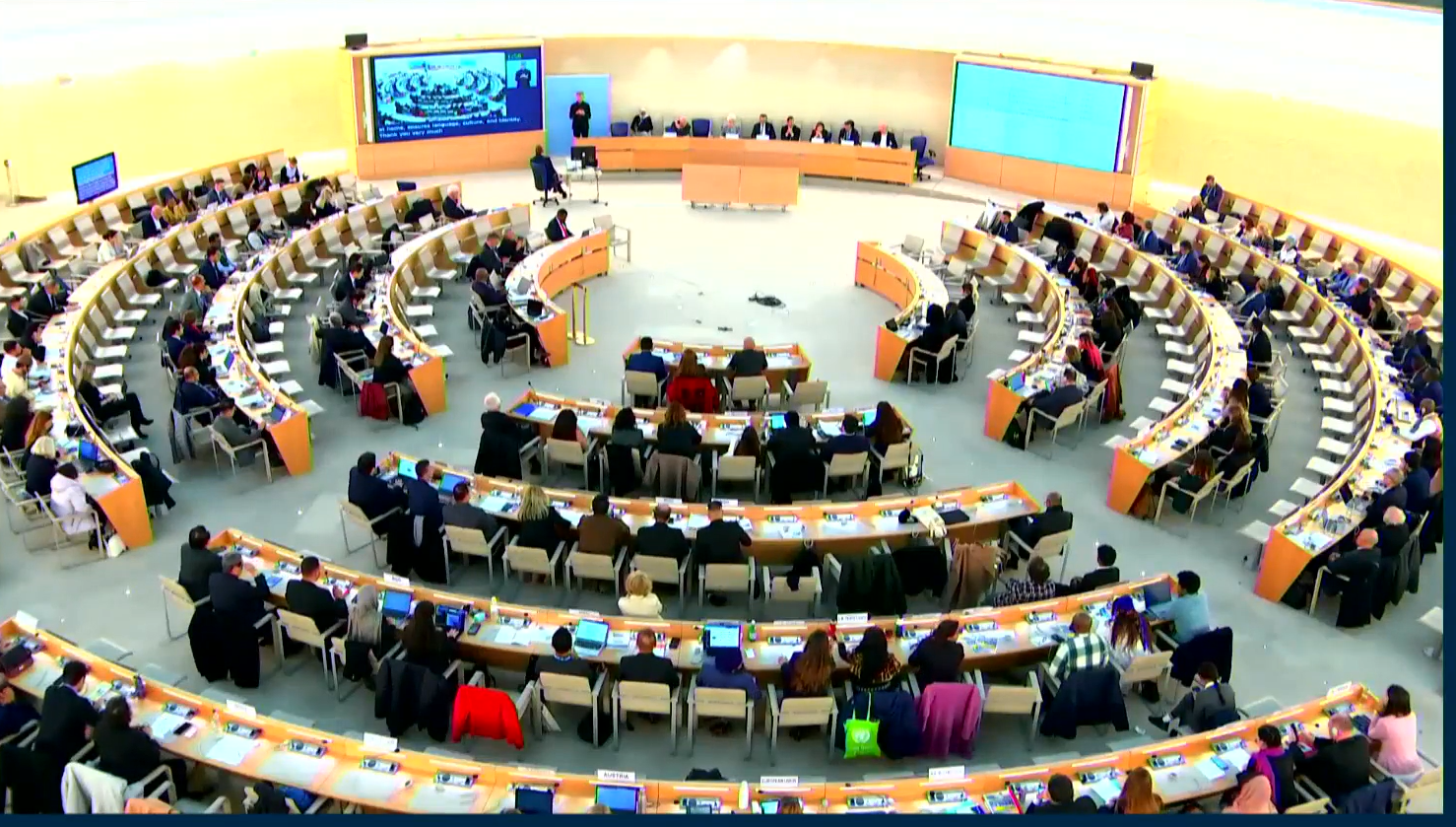
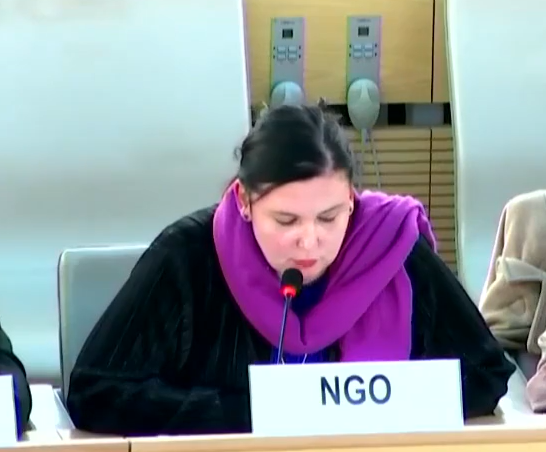
Since March 2024, 111 participants from 27 minority and indigenous community groups took part in a series of online trainings, in-person seminars in Warsaw (Poland) and Chisinau (Moldova) as well as global online sessions connecting experts and minority communities from Asia, Africa, and Europe which took place in January and September 2025. An estimated 1,500–2,000 people were reached additionally through local networks and partner organizations.
The project trained and empowered minority community leaders through equipping them with knowledge about the Positive Peace pillars, the concept of Dealing with the Past (DwP) – including the right to justice for war crimes, and mediation as a method in various walks of life. During the project, new partnerships were formed with organizations including the Ukrainian Centre of Romani Studies, the Free Buryatia Foundation, Moldova for Peace, Roma Women Platform ROMNI, Environmental Association of River-Keepers Eco Tiras, International Mediation Campus, among others. Moreover, seven minority-led projects were developed by the participants, with a focus on developing their activity in the future.
PARTICIPANT TESTIMONIES
‘Being involved in the project inspired me to create my own peace project for my community’ – Beryvan Avdoian, Yezidi community of Ukraine.
‘Peace is respect for each other’s choices and non-violence. Minorities can show by their own example that a tolerant society is possible’ – Aleksandra Garmazhapova, founder of Free Buryatia Foundation.
‘Before the project, I perceived peace as simply the absence of war. Now I understand peace as a process of dialogue, mutual respect, and overcoming divisions’ – Evghenii, human rights defender, Moldova.
‘Participation in the project inspired me, and through me my friends, to dedicate a radio program to the topic of peace. We wanted to show that there are people speaking directly and demanding peace’ – Tjan Zaochnaya, Itelmen community (indigenous ethnic group of the Kamchatka Peninsula).
ADDITIONAL COMMENTS
‘This project showed that even in the times of war, communities are willing to come together, listen to one another, and build bridges across divides’ – Rafal Pankowski, co-founder of the ‘NEVER AGAIN’ Association.
‘Minorities and indigenous people possess unique knowledge, skills, and experiences that can benefit each society going through conflict and in post-conflict settings. This is what we wanted to highlight through this project’ – Natalia Sineaeva, Minorities for Peace project manager and UN OHCHR Minority Fellow (2024).
‘The project has shown that peace frameworks can be adapted across different regions. We have so many conflicts and tensions worldwide, including in Asia, so we see the need to bring the Minorities for Peace framework to other contexts’ – Rukmini Iyer, project partner, Exult! Solutions, India.
The ‘NEVER AGAIN’ Association is an independent civil society organisation founded in Warsaw in 1996. It has campaigned against racism, antisemitism, and xenophobia, for peace, intercultural dialogue, and human rights across the world.
More information:
www.minoritiesforpeace.org
www.NeverAgainAssociation.org
www.facebook.com/Respect.Diversity
www.twitter.com/StowNIGDYWIECEJ
www.linkedin.com/company/never-again-association
https://neveragainnw.bsky.socials